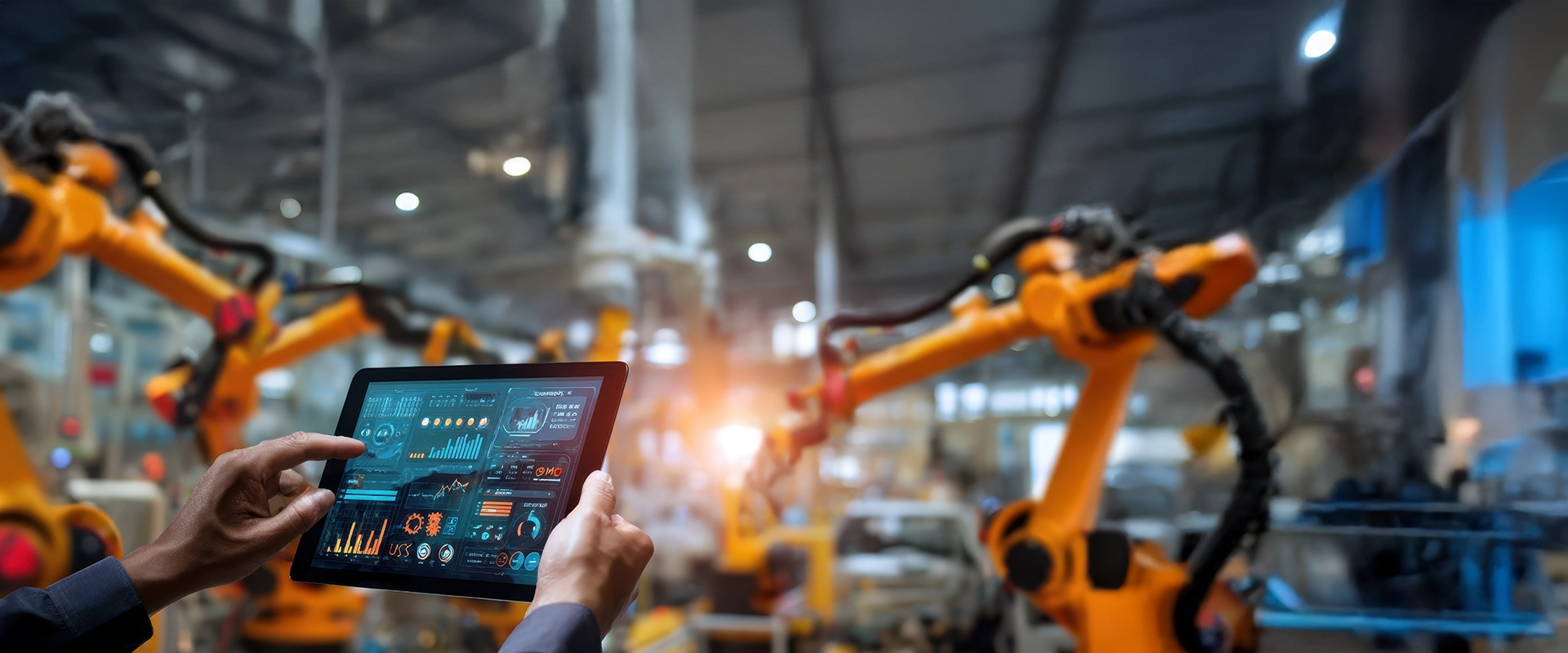

Manufacturing software development & consulting services
Enhance your manufacturing operations and operationalize data by turning to experts with proven experience and expertise with Industry 4.0 technologies.
Custom manufacturing software development support
Empower your production processes with cost-effective AI and data technologies that increase operational efficiency, boost security and create revenue opportunities We specialize in targeted pilot projects that quickly deliver value, spark momentum, and lay the foundation for a scalable, phased digital transformation.
Boosting production efficiency through data and artificial intelligence
Optimize production with data and AI
Deploy AI-driven systems to analyze historical and real-time production data to detect inefficiencies, anticipate equipment failures, reduce downtimes, minimize scrap, improve quality assurance and ensure resources are used efficiently. Monitor production parameters 24/7 and automatically adjust processes by using ML models to reduce variations and defects.
AI-driven quality monitoring
Develop advanced AI-powered solutions to monitor and identify deviations from production standards. Our approach capitalizes on already-available data to generate quick, measurable benefits and identify practical ways to boost quality and reduce scrap, without requiring additional hardware or sensors.
AI at the edge and predictive maintenance
Bring intelligence closer to the machines by implementing AI and ML capabilities directly on edge devices to accelerate decision-making, increase autonomy and reduce dependency on external infrastructures.
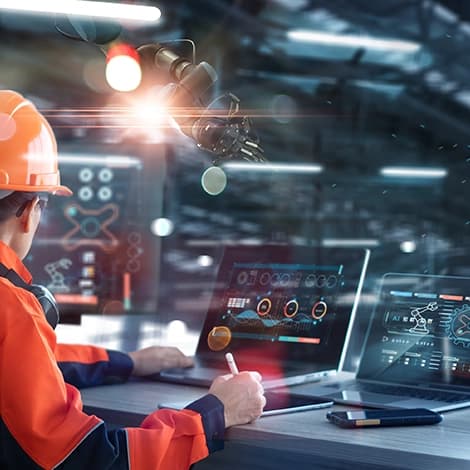
Data management and data quality
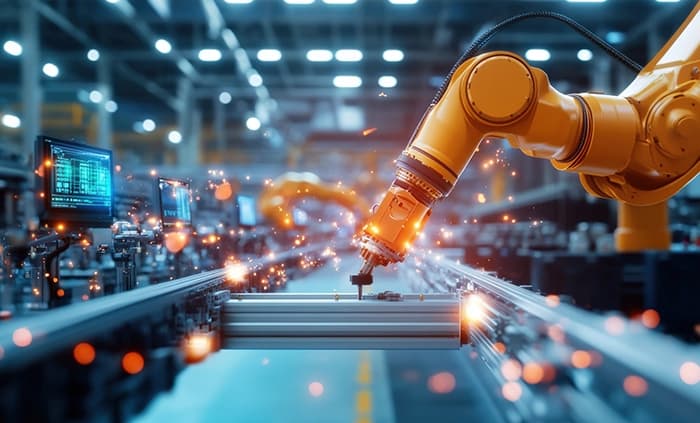
Transform raw data into a reliable, scalable, and secure asset that’s capable of powering AI-driven efficiency and building resilient smart factory operations. Get comprehensive audits of existing data ecosystems to identify gaps, inefficiencies and untapped potential within data infrastructures.
Standardization and cybersecurity
Standardizing processes, workflows and production methods is crucial for the interoperability of machines, devices and systems – and for scaling digital initiatives. Our auditing, security and governance services ensure robust architectures are resilient and data is protected.

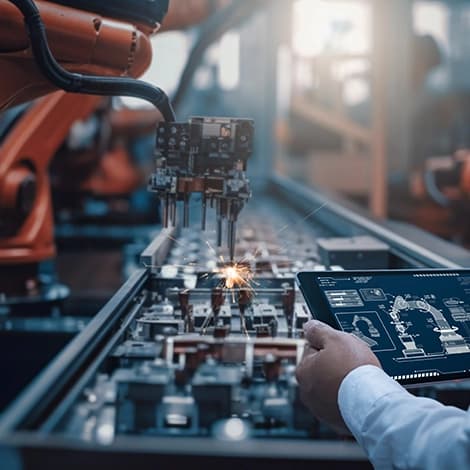
Strategic digital transformations
From ideation to operation, get comprehensive support that covers the entire software development lifecycle needed for custom manufacturing solutions, from UX & UI design services and custom software development, to building dedicated engineering and consultancy teams and securing long-term support for maintenance, upgrades and the development of new functionalities.
Preventive and predictive maintenance
Implement Internet of Things (IoT) and cloud-based solutions and transition towards smart factories by leveraging real-time data collection and analytics to identify potential issues and address them proactively. Reduce unplanned downtime and increase operational efficiency through the deployment of sensors and devices that continuously monitor equipment condition, performance and environmental factors and send this critical data to the cloud for analysis.
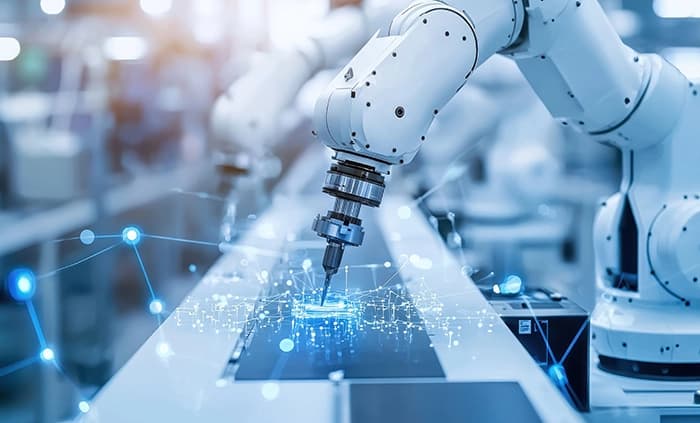
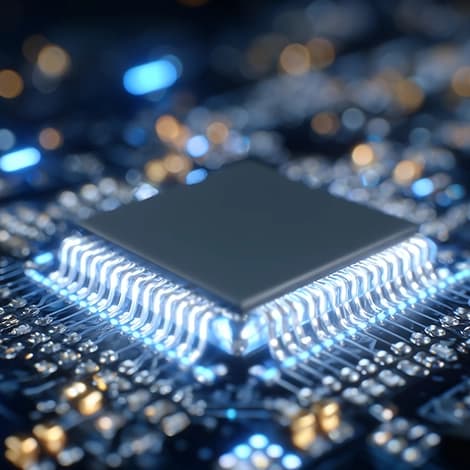
Custom embedded services and solutions
Accelerate embedded development with expert firmware design and real-time system integration. Leverage bare-metal programming to optimize performance at the hardware level or implement tailored RTOS solutions to enhance responsiveness, resource management and real-time functionality. By supporting the full development lifecycle – from architecture and driver design to communication protocols, testing, troubleshooting and migration between bare-metal and RTOS environments – our team delivers embedded software that’s robust, scalable and fit for purpose.
As a trusted partner in the Toradex Partner Network and Torizon Partner Program, Software Mind combines its deep expertise in embedded systems and cutting-edge Edge AI to revolutionize manufacturing. By leveraging Toradex’s robust, industrial-grade System on Modules (SoMs) and the secure Torizon Linux platform, we deploy scalable AI solutions directly on the shop floor. These solutions deliver real time anomaly detection, predictive maintenance and process optimization, that boosts operational efficiency, reduces costly downtimes and enhances product quality across demanding industrial environments.

Explore data and AI best practices for manufacturing
Get insights about the strategies and tech manufacturers can use to begin targeted AI implementation. Check out real-world use cases about QA automation and scrap rate reduction.

Manufacturing software development process
Stage 1
Assessment & Identification
- Analyzing Needs
Identify opportunities, potential risks, expected ROI, required resources and suitable solutions. - Consulting Stakeholders
Get stakeholders’ input on potential benefits and challenges of recommended technologies.
Stage 2
Pilot & Testing
- Training a Pilot Group
Test the technology with a small group and provide them with adequate training. - Iterating a Solution
Make necessary adjustments, based on gathered feedback, before a broader rollout.
Stage 3
Full Implementation
- Building a Center of Excellence
Develop governance and security standards, while driving change across your organization. - Managing Change
Educate your employees on the new technology and offer support.
Stage 4
Monitoring & Optimization
- Tracking Performance
Monitor KPIs to gauge the technology’s impact on your organization. - Making Iterative Improvements
Conduct ongoing refinements to the project, based on KPIs and continuous feedback.
Stage 5
Review & Scalability
- Expanding Opportunities
If the technology proves beneficial, look for other areas where it can be implemented. - Gathering Stakeholder Feedback
Get stakeholders’ perspective on the successes and challenges of the implementation.
Stage 6
Continuous Learning & Adaptation
- Staying Up to Date
Keep up with tech updates and best practices that could further benefit your organization. - Making Periodic Assessments
Regularly ensure technology aligns with your needs and delivers the expected value.
Benefits of manufacturing software development?
ML-driven assertive monitoring
Learn new patterns easily and facilitate real-time monitoring and analysis of equipment conditions through sensors and IoT devices. Analyze data in real time to detect one-class classification (OCC) anomalies and enable machine extrapolation, in which machines identify anomalies themselves.
Data-driven maintenance
Collect, manage, store and analyze data in real time to ensure better equipment performance and schedule repairs before issues arise. Turn data into actionable business insights that maximize operational efficiency and help control costs.
Automated data acquisition
Streamline and automate data acquisition for more efficient processing, storing and visualization. Improve data quality and security, limit human errors and facilitate configuration retooling for enhanced problem-solving.
Embedded software customization
Optimize your embedded solutions to get the maximum performance from your hardware platforms. Enable quicker decisions, address challenges specific to your business and drive operational productivity. Ensure your devices and embedded software are compliant with local data and security regulations.
Enhanced production planning and machinery control
Improve maintenance by analyzing patterns and trends to optimize maintenance schedules and procedures, reduce unnecessary interventions and encourage predictive maintenance that saves time and money.
Increased operational efficiency
Implement leading emerging technologies like AI, machine learning (ML) and IoT to maximize product engineering – from design and development to testing and maintenance. Deploy 5G to enable faster device connectivity and maximize machine productivity.
Enhanced visibility
Monitor and track inventory while obtaining up-to-the-minute reports that strengthen your organization’s analytic abilities to make accurate forecasts and control costs. Identify and address inefficiencies, while optimizing resource management.
Efficient inventory and project management
Deploy predictive modeling that uses historical and real-time data to predict equipment failures before they occur and enable timely interventions. Leverage data for informed asset management to extend the life of devices and improve return on investment (ROI).
Who we’ve helped







Case studies

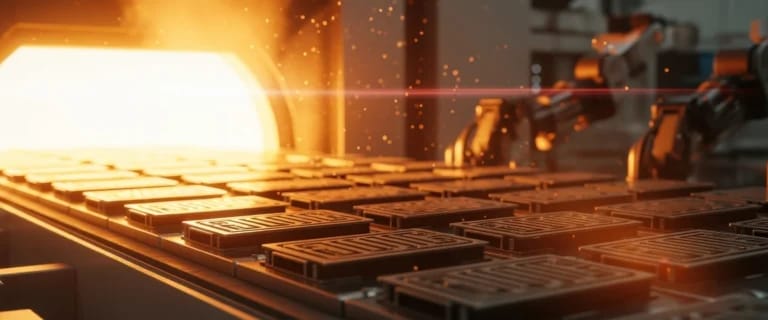

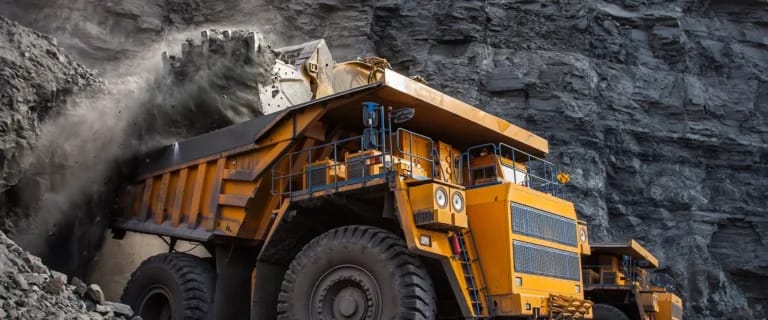
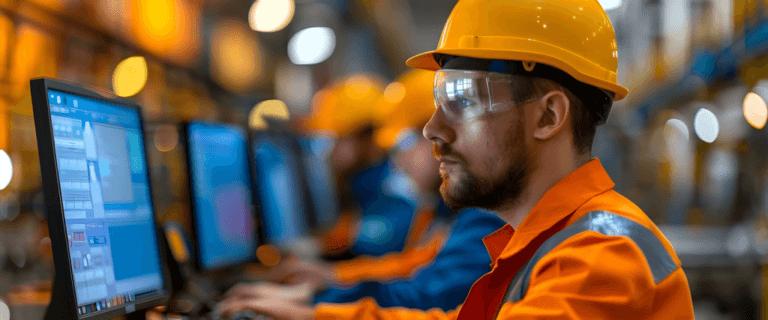
What our clients say
Organizations we support with manufacturing software solutions

Industrial manufacturing
Improve operations by connecting people, devices and processes and utilizing tailor-made solutions designed for your business goals. Enhance machine maintenance, track product quality and automate processes to drive productivity and save resources.

Food industry
Apply innovative technologies to production management to boost efficiency, reduce wastage and control resources more effectively. Monitor harvesting performance and animal stock health, maintain optimal storage environments and address facility inefficiencies.
Device manufacturing
Embed AI into production and product design processes to enhance predictive quality control, optimize energy consumption and streamline equipment calibration and testing. AI-driven analytics improve efficiency, reduce TTM and support mass customization by enabling smarter decisions in design, supply chain and production stages.

Apparel manufacturing
Design autonomous processing chains, improve machine maintenance with predictive analytics and track inventory in real time. Create smart factories by implementing evolutive custom software and firmware, while developing wearable electronics and e-textiles.
Technologies
Our cross-functional teams work with best-of-breed tools to develop customized solutions that deliver rewarding experiences and comply with market regulations.
Platforms
Industrial Connectivity
Cloud Tech
Azure
MLOPS
Manufacturing softwaredevelopment insights
Get expert advice and best practices on effectively implementing innovative technologies, boosting operational productivity and optimizing production.









Optimize your manufacturing operations
1600
+ talented experts
25
+ years of innovation
350
+ clients who trust us
Manufacturing software development – FAQ
How can AI support manufacturing software?
AI supports software for the manufacturing industry in several ways: Enhanced operational efficiency – By automating repetitive processes, AI can improve the effectiveness and precision of manufacturing operations so that workers can focus on more complex tasks. Improved production – By enabling predictive maintenance, AI reduces downtimes by identifying potential problems before they occur, which supports smooth production cycles and keeps down maintenance costs. Intelligent supply chain management – AI can help predict demand, manage inventory and help companies coordinate production rates with market demand. Data-driven insights – By supporting data gathering and analysis, AI can help businesses understand and act on data – in real-time. These AI-driven decisions can cut costs and maximize resource allocation.
How can manufacturing software enhance workflow automation?
What are the benefits that custom software solutions bring to an organization?
What is manufacturing software development?
How does custom software help the manufacturing industry?
What are the types of software used in manufacturing?
What is the cost of developing custom manufacturing software?
Looking for other services?
For over two decades we’ve been helping companies across markets and sectors develop disruptive solutions. Proven ways of working, domain knowledge and an open culture that prioritizes ownership mean we contribute from day one.
Engineering and consultancy that deliver value






Niche expertise that supports industries


Financial services
Engineer customized solutions that increase personalization and user conversion across channels.


Courier
Boost efficiency, improve delivery times and optimize your existing technologies by developing custom courier software solutions.


Biotech & Life Sciences
Empower your organization with AI and digital tools to maximize the output of your R&D.